
Knowing what they are dealing with helps residents act faster, limit damage, and choose the right treatment approach.
What makes Box Hill properties prone to pest infestations?
Pest control Box Hill services are important because the area has a mix of older homes, newer builds, apartments, and busy commercial strips, which creates plenty of shelter and food sources. Pests also move easily between neighbouring properties, shared walls, roof voids, and gardens.
With pest control Box Hill, it is important to consider how warm months increase activity for many insects, while cooler periods often push rodents indoors. Small gaps, moisture issues, and unsecured food storage are usually enough for an infestation to start.
Which ants are most commonly found in Box Hill?
Ants are one of the most common callouts because they can appear suddenly in kitchens, bathrooms, and patios. They typically follow scent trails to food, water, and sugary spills, then nest in wall cavities, under paving, or garden edges.
Pharaoh ants, black house ants, and coastal brown ants are frequently reported in Melbourne suburbs. If they keep returning after surface sprays, it usually means the nest is still active and needs targeted baiting.
Why are cockroaches a frequent problem in kitchens and bathrooms?
Cockroaches thrive where there is warmth, moisture, and hiding spots, which is why they often show up under sinks, behind fridges, and in laundry areas. They feed on crumbs, grease, pet food, and even cardboard glue.
German cockroaches are a common indoor pest and can multiply quickly if they are not addressed early. Their droppings and shed skins can also aggravate allergies, so persistent sightings are a sign they need a more thorough treatment plan.
How do rodents usually get into Box Hill homes and shops?
Rats and mice often enter through gaps under doors, broken vents, roof entry points, and openings around pipes. Once inside, they nest in wall voids, ceilings, and storage areas, then forage at night.
Early signs include scratching sounds, droppings, gnaw marks, and greasy rub marks along edges. Because they breed fast and can damage wiring, insulation, and stock, they are usually treated as an urgent issue rather than a “wait and see” problem.
Why are termites one of the most serious infestations in Box Hill?
Termites can cause costly structural damage while staying hidden for months or years. They often travel through soil and build mud tubes to access timber, then hollow it out from the inside.
They are commonly linked to moisture, poor drainage, wood-to-ground contact, and concealed entry points. Regular termite inspections are important because DIY detection is unreliable, and visible damage often appears late in the infestation.
Which spiders are most often reported, and when do they peak?
Spiders are commonly reported in garages, sheds, eaves, and indoor corners, especially when insects are plentiful. Most are harmless, but they still cause concern when webs and egg sacs build up around doors and windows.
Huntsman sightings tend to increase in warmer months, while other species can appear year-round depending on indoor insect activity. Reducing clutter and outdoor lighting that attracts insects can help limit spider presence.
Why do wasps become a seasonal issue around gardens and roofs?
Wasps often become noticeable in warmer seasons when they build nests under eaves, in roof voids, or in shrubs. They are attracted to sugary drinks, food scraps, and outdoor bins, so outdoor dining areas can become a hotspot.
Because stings can be dangerous for allergy sufferers, nest removal is usually handled with caution. Spraying an active nest without proper control can trigger aggressive swarming and increase sting risk. For official guidance on European wasps and safe pest control methods, you can refer to this Victorian Health resource.
How do fleas typically become an indoor infestation?
Fleas usually enter homes via pets, visiting animals, or wildlife in roof spaces and underfloor areas. Once established, their eggs and larvae spread into carpets, rugs, pet bedding, and couch gaps.
Bites around ankles and lower legs are a common clue, but fleas can be hard to spot until numbers rise. Effective control typically requires treating both the pet and the environment, otherwise the life cycle continues indoors.
What are pantry pests, and how do they start in cupboards?
Pantry pests include moths and beetles that infest dry goods such as rice, flour, cereals, spices, and pet food. They often arrive inside packaging that already contains eggs or larvae, then spread to nearby stored items.
Webbing, tiny larvae, and small moths near cupboards are typical signs. Sealing foods in airtight containers and clearing out infested products quickly helps prevent repeat outbreaks. Check out more about pest control in Croydon and a comparison of DIY versus professional services.
What are the most common signs that an infestation is getting worse?
When pests shift from occasional sightings to daily activity, the problem is usually established. Strong odours, repeated droppings, damaged packaging, persistent trails, and sightings in daylight often indicate higher pest numbers.
Property damage can also appear, such as chewed wiring, hollow-sounding timber, or staining near nests. At that stage, they usually need a more structured approach than general sprays or off-the-shelf traps.
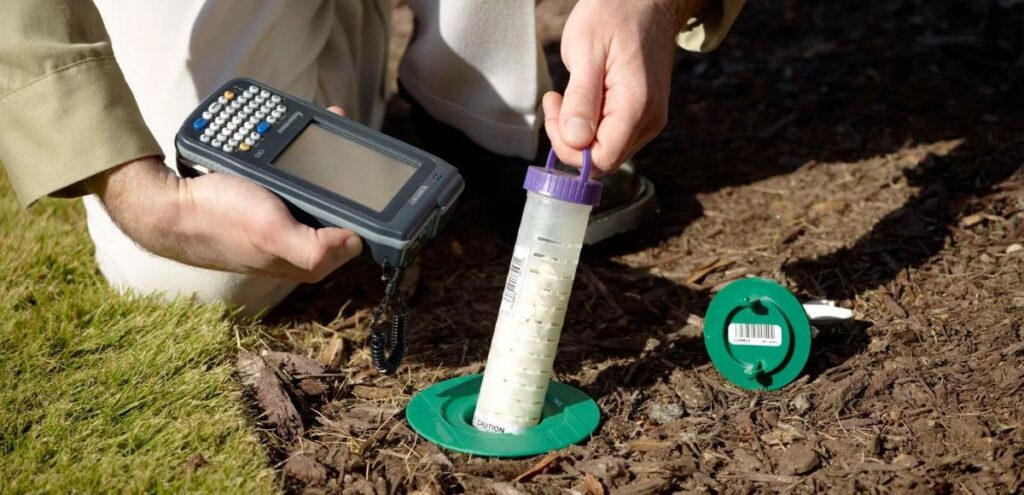
What can they do to reduce the chance of repeat infestations?
They can reduce risk by focusing on exclusion, hygiene, and moisture control. Sealing gaps, fixing leaks, keeping bins closed, and storing food properly removes the basics pests rely on.
Simple habits help too, like cleaning under appliances, trimming vegetation away from walls, and reducing clutter in garages. If infestations keep returning, it often points to a hidden nesting site, shared-wall entry, or an untreated source nearby.
FAQs (Frequently Asked Questions)
What are the most common pests found in Box Hill homes and businesses?
In Box Hill, the most common pest problems include ants (such as pharaoh ants, black house ants, and coastal brown ants), cockroaches (especially German cockroaches), rodents (rats and mice), termites, spiders (like huntsman spiders), wasps, fleas, and pantry pests like moths and beetles. Seasonal weather and local building types influence their activity levels.
Why are Box Hill properties particularly susceptible to pest infestations?
Box Hill features a mix of older homes, newer builds, apartments, and busy commercial areas that provide ample shelter and food for pests. Pests can easily move between neighbouring properties through shared walls, roof voids, and gardens. Warm months increase insect activity while cooler periods push rodents indoors. Small gaps, moisture issues, and unsecured food storage often trigger infestations.
How can residents identify and manage ant infestations in Box Hill?
Ants often appear suddenly in kitchens, bathrooms, and patios by following scent trails to food and water sources. Common species include pharaoh ants, black house ants, and coastal brown ants. Persistent ants after surface sprays usually indicate an active nest requiring targeted baiting. Locating nests in wall cavities or garden edges is key to effective control.
What signs indicate a rodent infestation in Box Hill homes or shops?
Rodents enter through gaps under doors, broken vents, roof entry points, or pipe openings. Early signs include scratching noises at night, droppings, gnaw marks on materials, and greasy rub marks along edges. Since rodents breed quickly and can damage wiring or insulation, early detection is crucial for prompt treatment.
Why are termites considered one of the most serious pest threats in Box Hill?
Termites cause costly structural damage by hollowing out timber from the inside while remaining hidden for months or years. They access properties via soil contact points using mud tubes. Factors like moisture problems, poor drainage, wood-to-ground contact, and concealed entry points increase risk. Regular professional termite inspections are essential because DIY detection is unreliable.
What measures can residents take to prevent repeat pest infestations in Box Hill?
To reduce repeat infestations, focus on exclusion by sealing gaps and fixing leaks; maintain hygiene by cleaning under appliances and keeping bins closed; control moisture issues; store food properly in airtight containers; trim vegetation away from walls; reduce clutter in garages; and address any hidden nesting sites promptly. Persistent pests often indicate untreated sources nearby or shared-wall entries requiring professional intervention.