In many cases, the checklist is treated like a tick-and-flick tool. The better approach is to use a pre purchase building inspection to surface structural risk early, including where reo bar condition or placement could change repair costs and negotiating power.
What do typical pre-purchase checklists usually prioritise?
They usually prioritise visible condition and safety items such as roofing, gutters, damp, basic drainage, obvious cracking, and any exposed reo bar where concrete damage is evident. A pre purchase building inspection often lists these first because they are quick to access and easier to document consistently.
This isn’t wrong, but it can skew attention away from concrete reinforcement risk. When a checklist leans too heavily on surface symptoms, it may miss why cracks are forming, or whether corrosion is driving movement.
Why does reo bar matter in Australian residential properties?
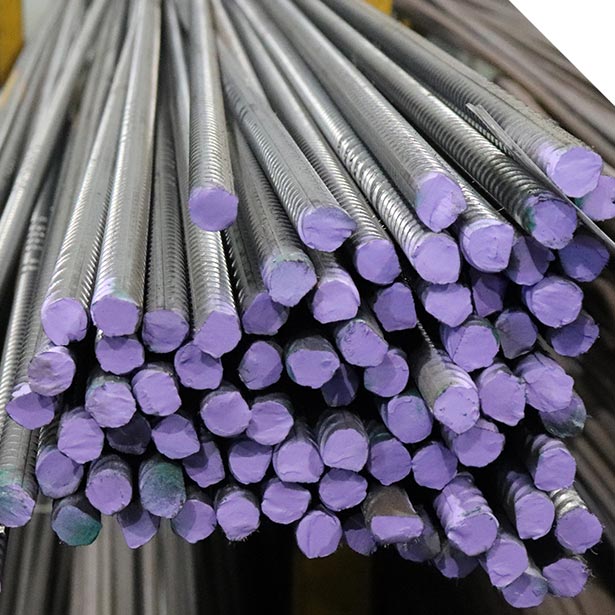
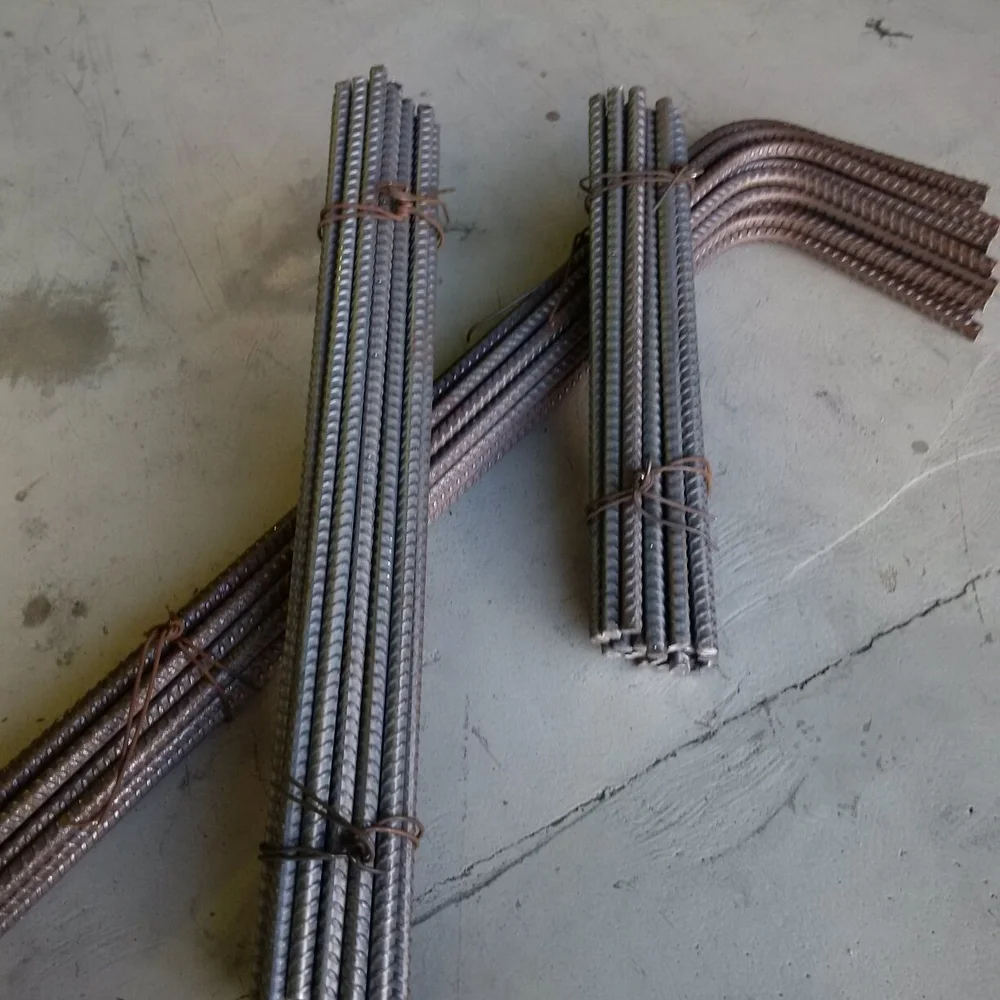
Reo bar is what gives concrete its tensile strength, so when it corrodes or is poorly placed, concrete performance can drop sharply. In coastal Australian suburbs, chloride exposure can accelerate corrosion, especially where cover is inadequate.
Because reinforcement is hidden, it can be easy for buyers to assume concrete is “set and forget”. The reality is that reinforcement issues can turn a minor-looking defect into a major rectification job.
How can reo bar problems show up during a pre-purchase walk-through?
They often show up indirectly as cracking patterns, delamination, rust staining, spalling, or unevenness in slabs and steps. A pre purchase building inspection can flag these signs, then recommend further investigation where the cause is uncertain.
In some homes, symptoms are subtle, like hairline cracks that widen seasonally. In others, there are clear indicators, such as exposed steel on balcony edges or concrete cancer on carpark soffits.
What’s the difference between “concrete cracking” and “reinforcement-related cracking”?
Concrete can crack from shrinkage, thermal movement, reactive soils, or poor curing, and not all cracks are structural. Reinforcement-related cracking is commonly tied to corrosion expansion, inadequate cover, or stress concentrations that reinforcement should have controlled.
A pre purchase building inspection should describe crack location, width, direction, and any associated rust staining. That detail helps separate cosmetic risk from reinforcement risk, even before intrusive testing is considered.
Why do some checklists treat reo bar as a “specialist item”?
They do it because reinforcement is difficult to confirm without testing, and access can be limited. Many inspectors prefer to note symptoms and disclaim hidden elements rather than speculate on steel condition.
That’s reasonable, but it can also lead to underweighting reinforcement risk. A better checklist doesn’t pretend to see hidden steel, but it does treat concrete symptoms as prompts for escalation, not as footnotes.
How should a better checklist handle reo bar risk without being invasive?
It should connect surface evidence to likely mechanisms and state clear thresholds for further action. A pre purchase building inspection can do this by documenting concrete defects carefully and recommending targeted follow-up such as an engineer’s assessment, cover meter scanning, or corrosion testing where justified.
The checklist can also record exposure factors, like proximity to the coast, poor drainage near slabs, or balcony waterproofing failures. These context clues matter in Australian conditions.
Which parts of a property most often hide reinforcement issues?
Balconies, suspended slabs, garage lintels, retaining walls, pool surrounds, and external stairs are common locations. These areas often face moisture ingress, waterproofing failures, or chloride exposure, which can trigger corrosion cycles.
A pre purchase building inspection that includes these zones as dedicated checklist items is less likely to miss early warning signs. It also helps buyers compare properties using the same risk lens.
What role does waterproofing play in reo bar durability?
Waterproofing controls moisture and salts reaching concrete, which directly affects reinforcement corrosion risk. When membranes fail on balconies or wet areas, concrete can stay damp long enough for corrosion to accelerate.
Because waterproofing defects can look minor, they are sometimes treated as maintenance issues. A stronger checklist links waterproofing failures to potential reinforcement deterioration when the concrete element is part of the building’s structure.
Can a pre-purchase inspection confirm reo bar placement or cover?
In most cases, it cannot confirm placement or cover without specialised equipment and consent. A pre purchase building inspection typically remains visual and non-invasive, which means reinforcement details are inferred rather than measured.
That said, it can still be effective. By recording defect patterns and exposure conditions, the inspection can justify when a buyer should budget for testing before settlement or negotiate based on uncertainty, much like understanding Scaffold Shade Cloth Benefits helps assess practical solutions for improving safety and protection in different environments.
What should buyers ask for if reo bar concerns are suspected?
They should ask for clear documentation of the symptoms, photos with location notes, and practical next steps. A pre purchase building inspection report should state whether an engineer, concrete remediation specialist, or further diagnostics are recommended.
They should also ask for likely cost ranges in broad terms, or at least the cost drivers. Even without exact figures, knowing whether the pathway is “monitor and seal” versus “remediate and engineer-sign-off” changes decisions.
How does reo bar risk affect negotiation and due diligence timelines?
It can affect both price and conditions because remediation can be disruptive and expensive. If concrete cancer is suspected on a balcony or slab edge, buyers may need more time for quotes or engineering advice.
A pre purchase building inspection that identifies the issue early gives buyers options. They can negotiate repairs, request a price reduction, or walk away before emotional commitment overrides risk.
What’s the smartest way to compare two properties using checklists?
They should compare the “hidden-cost zones” rather than the cosmetic list. Two homes can look similar, but the one with balcony spalling, rust staining, or slab movement may carry higher future liability.
A pre purchase building inspection becomes more useful when buyers compare defect severity, exposure environment, and recommended follow-ups side by side. This method fits Australian markets where quick decisions are common, but costly mistakes linger.
How can inspectors document reo bar-related risk clearly for non-technical buyers?
They should use plain descriptions, labelled photos, and a simple consequence statement. For example: “Spalling with rust staining on balcony edge; possible reinforcement corrosion; recommend engineer assessment.”
A pre purchase building inspection is most actionable when it avoids vague language like “monitor” without context. Instead, it should say what to watch for, what timeframe matters, and what event triggers escalation.
What are the common mistakes buyers make when reo bar is mentioned?
They often assume any mention of reinforcement automatically means “major structural failure”. The opposite also happens, where they dismiss it as cosmetic because the home “feels solid”.
A pre purchase building inspection should help them avoid both extremes. The point is to treat reinforcement risk as a probability-and-consequence issue, not a yes-or-no label.
When is reo bar genuinely an afterthought, and why is that risky?
It becomes an afterthought when the checklist is dominated by paint, fittings, minor damp, and general maintenance, while concrete defects are relegated to disclaimers. That approach is risky because concrete repairs can be among the most expensive works on a residential property.
A pre purchase building inspection should elevate reinforcement-linked items into the main narrative of risk. If it doesn’t, buyers can still use the report, but they may need to seek additional advice sooner.
What does a “better-than-average” pre-purchase checklist include for concrete elements?
It includes dedicated items for balconies, slabs, retaining walls, stairs, and water ingress pathways. It also includes defect mapping, crack notes, rust staining checks, and drainage observations around concrete edges.
A pre purchase building inspection is strongest when it treats concrete as a system: moisture source, exposure, defect symptoms, and likely mechanism. That structure makes the checklist useful even when invasive testing isn’t possible.
How should buyers act on reo bar findings before settlement?
They should treat findings as decision points, not just information. A pre purchase building inspection that suggests further investigation should be followed with targeted advice, especially where safety is involved, such as elevated balconies or suspended slabs.
They should also document everything for negotiations and future planning. If they proceed, they can budget for maintenance, monitoring, or remediation with fewer surprises.
What’s the practical takeaway for comparing checklists?
The best checklists don’t just list defects; they prioritise risk and explain why it matters. A pre purchase building inspection that keeps reo bar in focus helps buyers compare properties more realistically in Australian conditions, where moisture, coastal air, and soil movement can all amplify concrete issues.
If reo bar is treated as an afterthought, buyers may still get a clean-looking report, but not a complete risk picture. The smarter comparison is the one that asks: what’s hidden, what’s likely, and what will it cost if they are wrong?
<script type="application/ld+json">
{
  "@context": "https://schema.org",
  "@type": "BlogPosting",
  "mainEntityOfPage": {
    "@type": "WebPage",
    "@id": "https://dkkonstructioninc.com/comparing-pre-purchase-checklists-why-reo-bar-shouldnt-be-an-afterthought/"
  },
  "headline": "Comparing Pre-Purchase Checklists: Why Reo Bar Shouldn't Be an Afterthought",
  "image": [
    "https://dkkonstructioninc.com/wp-content/uploads/2026/07/Reinforcing-Bar.jpg",
    "https://dkkonstructioninc.com/wp-content/uploads/2026/07/starterbars.webp",
    "https://dkkonstructioninc.com/wp-content/uploads/2026/07/processed-a-gallery.jpg"
  ],
  "author": {
    "@type": "",
    "name": "Jayden Bronner",
    "url": "https://dkkonstructioninc.com/author/admin/"
  },
  "publisher": {
    "@type": "Organization",
    "name": "DK Konstruction INC",
    "logo": {
      "@type": "ImageObject",
      "url": "https://dkkonstructioninc.com/wp-content/uploads/2024/09/cropped-ADC_City_contractors__14_-removebg-preview.png"
    }
  },
  "datePublished": ""
}
</script>