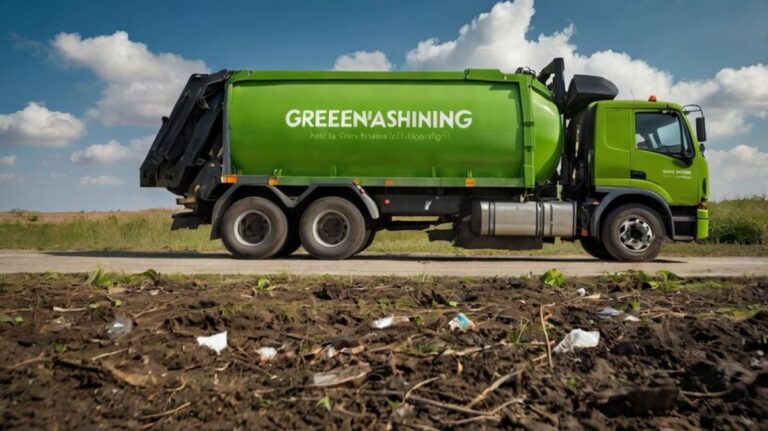
When it comes to eco-friendly waste solutions, speed is just as important as sustainability. People searching for green waste removal near me expect fast, reliable service without compromising environmental responsibility. Modern green waste removal providers focus on clearing garden waste and debris efficiently while adhering to sustainable disposal practices. One standout feature is rapid response time—on average, waste management teams can respond in as little as 90 seconds, reflecting the efficiency and advanced coordination behind today’s services.
At the same time, today’s consumers are more informed and environmentally conscious. Those looking for green waste removal near me want to know exactly where their waste goes after collection. Transparency in the process provides reassurance that materials are reintegrated into the circular economy through composting, recycling, donation, or safe disposal, rather than simply ending up in landfill.
Speed of Response in Waste Removal Services
Understanding the 90-Second Benchmark
The average response time of 90 seconds for waste management and remediation services is an impressive benchmark. Quick responses are crucial for efficient operations, ensuring that waste doesn’t linger and disrupt spaces. Every second counts when safe disposal or recycling is at stake.
This 90-second statistic, highlighted by notable industry research, is a testament to the high level of coordination and preparedness modern waste removal companies demonstrate. It is also a signal of the integration of advanced communication technology throughout the industry.
By utilising both professional drivers and sophisticated customer management systems, companies can ensure that calls for service are received, processed, and addressed in under a minute and a half, making them some of the fastest in service-related industries.
Technology Fuelling the Fast Response
Technology plays an important role in achieving these impressive response times. From the moment a call is made to the dispatch of a team, systems like fleet management software and real-time tracking enhance the process. This efficiency leaves little room for delay, ensuring that services remain both prompt and reliable.
The seamless interplay between automated SMS systems and GPS-enabled devices means that response times are monitored closely. In fact, industry data shows that while the average SMS read time within waste management services is around three minutes, backend systems work quickly enough to prevent delays in dispatching crews.
Continuous investments in digital infrastructure are ensuring that waste removal isn’t a slow, outdated service. Instead, companies are now synonymous with modern, rapid-response operations.
Green Waste Removal: Embracing Sustainability While Keeping Pace
Eco-Friendly Practices in Waste Management
Waste removal today must balance speed with sustainability. A growing number of consumers demand transparency regarding how their disposed items are processed. They want assurance that items aren’t simply tossed into a landfill but are either recycled, donated, or repurposed. This transparency has become as critical as speed.
In recent years, eco-friendly junk removal has emerged as one of the fastest-growing trends in the cleanup industry. The overwhelming majority of modern waste removal companies not only focus on the prompt removal of junk but also ensure that waste goes through an eco-conscious channel. From directing waste to recycling plants to utilising donation centres, companies actively engage in closing the loop on the circular economy.
This holistic approach to waste management is a response to consumer demand. As reflected by the jump in sustainability clauses – from 32% in 2022 to an impressive 58% in 2025 – consumers are clearly making environmentally informed choices.
Corporate Responsibility and Environmental Impact
Alongside speedy responses, environmental responsibility has taken centre stage in the service delivery of green waste removal companies. People want to feel that their choices make a difference. The expert insights from environmental analysts remind us that it isn’t enough simply to remove the waste; the method of its disposal is equally important.
Companies are now actively communicating their practices to customers. Detailed reports, digital updates, and transparency in disposal methods solidify trust. By painting a clear picture of less harmful disposal practices, customers feel more valued and reassured that their waste is managed in an eco-friendly manner.
This transparent model is complemented by industry certifications and adherence to government regulations aimed at protecting the environment. The public, increasingly aware of environmental challenges, is now more willing to choose companies that combine quick service with responsible practices.
The Role of Sustainable Practices in Modern Waste Removal
End-to-End Processes in the Circular Economy
Modern waste removal companies underline that the journey of waste doesn’t end with removal. Many services provide full-cycle management that integrates recycling, repurposing, and donation. This is the essence of the circular economy – a system designed to minimise environmental impact while maximising the reuse of resources.
When garbage is collected, detailed tracking systems show which path each item takes, ensuring that fewer materials land in landfill sites. This end-to-end process is key to reducing the overall carbon footprint of waste management activities. Moreover, by tracking waste flows responsibly, companies help boost recycling rates and recover valuable materials.
This clear, responsible flow of waste not only benefits the environment but also provides enhanced consumer assurance. The transparency allows individuals to see tangible benefits, reinforcing the broader mission of sustainability.
Legislation and Market Trends Impacting Waste Disposal
Legislation has evolved to favour waste management practices that protect the environment. Governments worldwide are tightening restrictions on landfill use while offering incentives for recycling and energy recovery projects. Such measures have prompted companies to become proactive in their service delivery, streamlining operational procedures while reducing waste volumes.
Besides regulation, market trends are driving companies towards a more sustainable framework. With the junk removal industry in the U.S. generating around $4.4 billion in annual revenue, the focus on sustainability isn’t just an ethical move; it’s a necessary pivot in a lucrative market. Keen environmental insight combined with robust economic growth has led to an era where being green means staying competitive.
This environmental push encourages businesses to constantly refine their practices. Eco-friendly approaches, enhanced by technology and supported by both government and consumer demand, ensure that the industry can respond quickly without compromising its ecological values.
Consumer Expectations and Their Impact on Service Delivery
What Customers Want in a Green Service
A simple removal service isn’t enough anymore. Consumers are both informed and particular about the life of their waste. They expect quick, efficient service and methods that align with contemporary environmental ideals. In essence, customers seek a service that fast-tracks the process while ensuring their discarded items have a beneficial post-removal destiny.
This modern approach is particularly important among environmentally conscious clients who have higher expectations. They are not merely satisfied with swift responses and are keen on knowing that the waste is funnelled into recycling, donation, or reprocessing streams rather than emerging in a landfill.
The consumer’s vigilance about environmental practices and sustainable waste management pushes companies to innovate continually. These customers empower service providers by demanding proof of eco-friendly initiatives and rapid operational response, both of which have led to impressive industry metrics like the 90-second response time.
Seasonal Peaks and Demand Dynamics
Seasonal variations in demand significantly shape how waste removal companies operate. Data shows that 80% of junk removal companies experience an increase in demand during the spring and summer months. This seasonal spike is largely driven by homeowners and businesses taking advantage of warmer weather to carry out clean-ups and decluttering efforts.
As bookings increase during these peak seasons, companies often refine their strategies and mobilise additional resources. Technology and process optimisation are crucial during these times to maintain the high speed and eco-friendly criteria promised to customers. Quick, efficient service is even more critical when multiple calls for service flood in.
The seasonal trend also inspires some companies to adopt flexible staffing models and resource allocation plans that can handle sudden surges. Such dynamism helps ensure that even when demand spikes, the 90-second response standard isn’t compromised. It’s a clear indication of an industry that is both resilient and well-prepared.
How Waste Dispersion is Connected to the Broader Cleanup Industry
Interlinking Waste Removal and Eco-Conscious Cleanups
The green waste removal sector forms a critical link in the broader cleanup industry. While the cleanup industry in the United States represents a massive $13 billion market, eco-friendly practices have become a cornerstone of many cleanup operations. As waste is gathered and sorted, how it is processed subsequently determines its environmental impact.
Integrating rapid response times with sustainable protocols means that every removed item is given a second life if possible. When consumers see that they are getting both speed and sustainability, trust in these services increases manifold. It’s a promise of convenience that doesn’t short-change environmental ethics.
The ever-increasing revenue and the growing number of licensed waste removal companies also create further competition, which in turn leads to improvements in service delivery and environmental practices. It’s a positive cycle where innovation drives eco-conscious methods, helping the industry thrive even amid evolving market demands.

Improving Waste Detection and Sorting
Waste management is not simply about rapid collection; it is also about ensuring that waste is appropriately sorted for recycling, donation, or safe disposal. Recent studies, such as the one from the VisDA 2022 Challenge, demonstrate that domain adaptation techniques are increasingly being used in industrial waste detection. These techniques enhance the performance of sorting mechanisms, ensuring that the process is as streamlined as it is sustainable.
Integrating robust sorting practices with prompt response times creates a complete picture of modern waste management. The combined advances in detection technology mean that more waste can be repurposed effectively, minimising environmental harm. This precision in sorting significantly plays into the broader goal of these companies – to reduce waste and promote resource recovery.
The technological evolution in waste detection not only improves the overall efficiency but heightens the accuracy of recycling operations. By better categorising waste, workers can ensure that undesirable items do not end up in the recycling stream, thereby safeguarding environmental health and maximising the utility of reclaimed materials.
Operational Excellence: How Companies Maintain Speed and Sustainability
Processes and Protocols in Place
Behind every green waste removal service is a well-oiled machine. Companies have developed streamlined processes that incorporate strict protocols, ensuring rapid dispatch and eco-friendly disposal. A detailed set of guidelines oversees everything from how waste is categorised to its final destination.
These protocols are designed to maintain the highest levels of operational excellence. Each call is logged, tracked, and swiftly dispatched to the nearest available unit. This process not only meets the high-speed expectations but also ensures that every item in the waste stream is documented. This documentation facilitates effective recycling and adherence to environmental standards.
The emphasis on process optimisation means that companies continuously evaluate and refine their methods. From employing rigorous staff training to integrating cutting-edge technology, waste management teams leave no stone unturned in their quest to combine speed with environmental care. This level of attention ensures that customers receive reliable service without compromise. You may like to visit https://www.dcceew.gov.au/environment/protection/waste to get more about waste and recycling.
Staff Training and Community Engagement
Proper training is fundamental in achieving both speed and sustainability. Staff members are regularly updated on the latest safety protocols, waste categorisation methods, and sustainable disposal techniques. Such comprehensive training ensures that every team member plays their part in meeting response times while adhering to eco-friendly ideals.
Community engagement also remains a top priority. Service providers often collaborate with local authorities, recycling centres, and donation charities. This synergy builds a robust network that collectively ensures waste is managed responsibly. Communities benefit from reduced landfill use, while local charities often receive donations that would otherwise go to waste, sustaining a wholesome cycle.
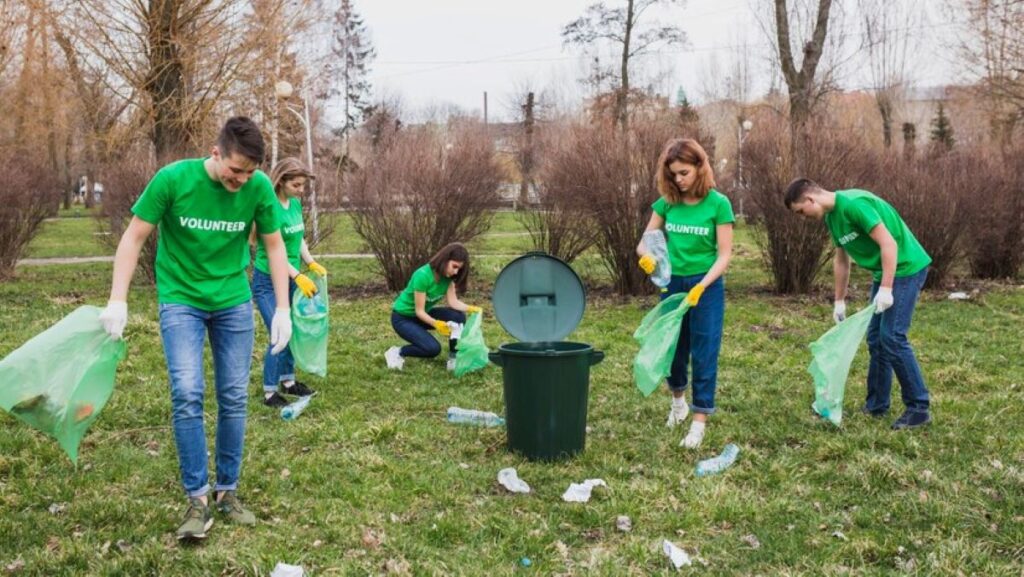
Engaging with communities goes beyond mere compliance. Many companies organise workshops and community cleanup events, reinforcing the idea that fast times can be paired with eco-friendly practices. The result is a more informed public that appreciates the finer details of waste management – from how quickly a service responds to where each piece of waste ultimately goes.
Best Practices for Selecting a Green Waste Removal Service
Key Factors to Consider
When choosing a green waste removal service, speed and sustainability are critical factors. Customers should examine whether a company can respond quickly while ensuring their waste is handled responsibly. The average 90-second response time is an excellent starting metric, but it should be complemented by clarity around recycling and disposal methods.
Another key consideration is transparency. Reputable waste removal companies are usually forthcoming about how they manage waste. They provide detailed information and even digital tracking to show customers where their waste ends up. This transparency can elevate trust and credibility in the service provided.
Additionally, seasonal patterns should be factored into the decision. Since demand surges during warmer months, it might be wise to plan ahead if you foresee a busy period. Checking reviews, asking for service metrics, and verifying eco-certifications are all ways to ensure that you are choosing a service that aligns with your values.
Steps to Vet a Waste Removal Provider
- Research the provider’s online presence and customer reviews to gauge their response speed and environmental commitment.
- Ask for details regarding their waste disposal process – confirm that items are recycled, donated, or processed through the circular economy.
- Confirm their operational efficiency by checking if they utilise modern tracking or fleet management systems.
- Verify any eco-certifications or environmental awards they might have.
These steps can help ensure you’re not only getting a fast response but also that your waste contributes positively to the environment. The ideal provider uses both technology and sustainable practices as mutually reinforcing elements of their service.
When you take time to vet your service provider, you guarantee that your choice supports both swift and responsible waste management. Making an informed decision can lead to broader benefits both locally and globally. Check out more about Where Does Your Green Waste Pickup Actually End Up?
Environmental Trends Shaping the Future of Waste Management
The Rise of Eco-Friendly Junk Removal
Recent industry developments are pointing towards an ever-increasing demand for eco-friendly junk removal. With figures showing a jump from 32% to 58% in requests including sustainability clauses between 2022 and 2025, it is clear that a majority of consumers are investing in the environment as much as cleaning up their spaces.
Today’s market is driven by both technological innovations and heightened consumer awareness. People want to know that companies are not only rapid in their response but proactive in addressing environmental issues. This dual focus has transformed service objectives, where sustainability is integrated seamlessly into everyday operations.
The evolution of this trend suggests a promising future for the industry. Already, eco-friendly waste removal services are setting standards for future operations, creating benchmarks that other service providers are eager to follow. As the green initiative continues its upward trajectory, companies that innovate and adapt will be the ones that lead the market.
Impact on the Cleanup Industry at Large
The broader cleanup industry is benefiting as well. With the U.S. cleanup industry generating approximately $13 billion in annual revenue, the integration of sustainable practices is not only good for the environment but makes good business sense. The balance between speed and environmentally conscious strategies enhances overall performance.
Companies are using improved waste detection techniques and streamlined operational models, ensuring that none of the gains in rapid response time come at the expense of sustainability. This approach not only improves the quality of the service delivered but also contributes significantly to lowering a company’s ecological footprint.
As service providers adapt to these changes, a ripple effect is setting in across the entire industry. With each innovation, waste management becomes smoother, cleaner, and more environmentally friendly, further reinforcing the value of sustainable practices in every step of the process.
Regional Insights: A Focus on Australia
Australia’s Growing Commitment to Sustainability
Australia has long been at the forefront of environmental initiatives, and the commitment to fast, eco-friendly waste removal is no different. In cities and regional areas alike, waste management services are now underpinned by a strong emphasis on sustainability. Local companies often pride themselves on a rapid response coupled with transparency in disposal practices.
Australian consumers are well-informed about eco-friendly practices. They expect waste removal services to efficiently sort and recycle rubbish, aligning with national recycling targets and local government policies. This means that companies not only meet urgent clean-up needs but also contribute to broader environmental goals.
The combination of advanced technology, rigorous training, and clear environmental mandates has elevated Australia’s waste management standards. Local providers have adapted to ensure that every call for service is met with the dual promise of speed and sustainability, creating a model that many other regions aspire to replicate.
Challenges Unique to the Australian Market
While there is strong enthusiasm for green waste removal, unique challenges persist in Australia. Rural and remote areas sometimes experience logistical difficulties that can affect response times. However, these obstacles are being met with innovative solutions. Mobile waste collection units and digitally enhanced dispatch systems help bridge the gap between urban and remote services.
The commitment to sustainable practices remains unyielding despite these challenges. Companies often tailor their processes to suit the diverse needs of Australia’s varied landscape, ensuring that both densely populated cities and sparse regional communities receive the same level of service excellence.
Adapting to regional specificities has driven many Australian waste removal companies to innovate continually. This adaptive approach not only preserves operational efficiency but also ensures that every corner of the country benefits from eco-conscious services that set benchmarks across the board.