
Plywood formwork looks simple until someone starts talking about F-ratings, stress grades, thickness, spans, and “BS something something”. Then it gets messy fast.
This guide strips it back. It explains what the numbers on a sheet actually refer to in Australian work, and which ones matter on site versus in design. It is not theory for theory’s sake. It is just the stuff that changes outcomes, cost, and risk.
What do the thickness numbers actually tell them?
Thickness is literal. A 17 mm sheet is 17 mm thick, and that single number heavily affects stiffness, deflection, and how far they can span between bearers.
For plywood formwork, thickness is usually chosen to control deflection under wet concrete pressure, not because “thicker is better”. Jumping up a few millimetres can mean fewer joists or ties, but also heavier handling and higher sheet cost.
Is “structural plywood” the same thing as formwork plywood?
Not exactly. Structural plywood is made to a structural standard, but not all structural plywood is intended for repeated concrete contact.
In Australian practice, plywood formwork is typically film faced or otherwise sealed to handle moisture, cement paste, and abrasion. The key difference is surface durability and edge sealing. Structural grade alone does not guarantee the face will survive multiple pours without swelling or pitting.
What do F-ratings mean and why do they see F17 so often?

The F-rating is a stress grade used in Australia to indicate the plywood’s characteristic strength and stiffness. F17 is common because it tends to balance cost and performance for general forming.
For plywood formwork, the F-rating links to how the sheet performs under load. It does not directly tell them how smooth the concrete finish will be. Designers use it for span and deflection checks, while site teams mainly feel it as “does it bow between supports”.
Do the numbers on spans come from the sheet, or the system?
They come from the system, but the sheet drives the limits. Span tables rely on thickness, stress grade, support spacing, and load assumptions including concrete pressure and construction loads.
With plywood formwork, a “safe span” is not a universal number printed on the board. It is derived. If they change joist spacing, pour rate, concrete slump, or vibration practices, the real demand changes too.
What does “AS 6669” indicate when they spot it on paperwork?
AS 6669 is the Australian Standard for formwork plywood. When suppliers reference it, they are pointing to requirements around bond, veneer quality, and performance suited to forming concrete.
For plywood formwork, AS 6669 alignment usually matters most for risk control. It reduces the chance of delamination, excessive face checking, or glue line failure when the sheet gets wet, stressed, and stripped repeatedly.
Does “film faced” have a number that tells them anything useful?
Film faced plywood is usually phenolic film, and the film weight can be expressed in grams per square metre. Higher film weights generally mean better wear resistance and more reuses, assuming edges are sealed and handling is decent.
On plywood formwork, the film itself is not the only story. A great face with unsealed edges can still swell. And once edges swell, panels stop sitting flat and grout loss becomes a daily annoyance.
What does the “face grade” actually mean for concrete finish?
Face grade speaks to appearance and surface quality, but it is not a direct promise of Class 1 architectural off-form concrete. It is more like a ceiling of potential.
With plywood formwork, the concrete finish is a combined result of face condition, release agent choice, vibration, jointing, and how clean the sheet is between pours. A scuffed “good” sheet will still print defects if they keep pushing it.
Are weight and density numbers worth caring about?

Sometimes, yes. Hardwood plywood tends to be denser and heavier, and it can feel stiffer for the same thickness, though design values should still come from certified grades.
For plywood formwork, weight matters on Australian sites because manual handling and crane time are real constraints. A heavier sheet might reduce deflection, but if it slows placement or increases fatigue, it can cost more overall.
What do moisture and swelling numbers mean in practice?
Plywood can expand with moisture, especially at edges and through unsealed penetrations. Some product data sheets mention thickness swell or water absorption after set periods.
For plywood formwork, the practical takeaway is simple. Seal edges. Protect cut-outs. Avoid leaving sheets soaking in rain on the deck. Swollen edges create steps at joints, grout loss, and panel misalignment, which then means patching and delays.
Do reuse numbers on brochures mean anything they can trust?
Reuse claims are marketing unless the conditions are stated. A supplier might say “30 reuses”, but that could assume perfect stripping, cleaning, storage, and release agent use.
With plywood formwork, reuses depend on how they treat the faces, how often they drill through it, whether they scrape it with steel, and whether they store it flat and dry. In coastal NSW or humid QLD, storage discipline alone can halve sheet life.
How do they read the load numbers for wet concrete pressure?
Concrete pressure is influenced by pour rate, temperature, mix, slump, and vibration. Engineers may specify design pressures that look high compared with what a crew “usually gets away with”.
For plywood formwork, the important part is that higher pressure increases deflection, tie loads, and blowout risk. Fast pours in cooler Melbourne mornings can behave differently than hot Perth afternoons, and the numbers should reflect that reality.
What do fastener and fixing numbers change about performance?
Screw spacing, nail type, and edge distance can be specified, and they matter more than people like to admit. Poor fixing leads to sheet lift, joint opening, and imprinting.
On plywood formwork, the panel might meet grade on paper, but sloppy fixing makes it behave like a cheaper product. The “numbers” here are usually in method statements and formwork designs, not on the board itself, but they still control the outcome.
Are the numbers different for walls, columns, and slabs?
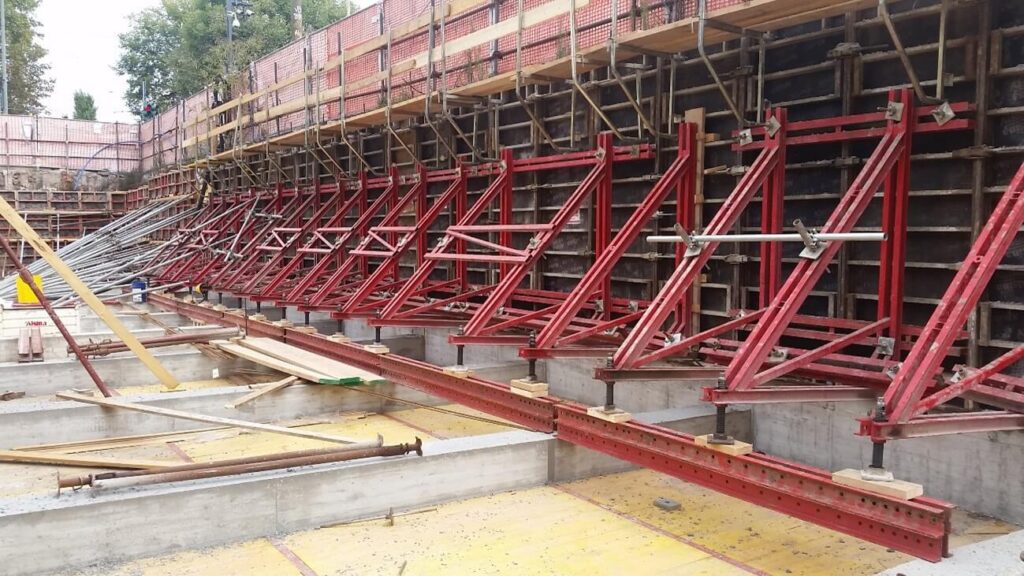
Yes, because the demand changes. Walls and columns see higher lateral pressure. Slabs are more about spanning and deflection under weight during placement and finishing.
For plywood formwork, this is why one sheet choice does not suit everything. The same 17 mm sheet that feels fine on a slab deck might need tighter stud spacing on a tall wall, or a higher grade, or both.
What should they check on delivery so the numbers match what was ordered?
They should check thickness, stress grade marking, intended standard reference, and that the sheets are flat with intact film and sealed edges. They should also confirm the supplier paperwork matches the bundle tags.
For plywood formwork, the quickest wins are boring. Reject obviously warped packs. Keep bundles covered. Store flat. A perfect spec means little if the first week of weather turns the stack into a banana.
Which numbers matter most if they just want fewer problems on site?
The shortlist is thickness, stress grade, and whether it is actually made for forming concrete conditions. After that, it is edge sealing quality and how they plan to reuse it.
For plywood formwork, most site issues come from ignoring the unglamorous numbers, then trying to patch the symptoms later. If they match the sheet to the pour pressures and support layout, everything else gets easier.
What is the simplest way to choose the right sheet without overthinking it?
They should start with the formwork design or engineer’s assumptions, then select plywood that meets those spans and pressures with a practical margin. They should also consider the expected number of reuses and the required finish.
For plywood formwork, the “right” sheet is the one that stays flat, strips cleanly, and holds tolerances through the job. Not the one with the fanciest brochure. If the numbers support the real site conditions, the results usually follow.
FAQs (Frequently Asked Questions)
What do the thickness numbers on plywood formwork sheets actually indicate?
Thickness is a literal measurement; for example, a 17 mm sheet is exactly 17 mm thick. This thickness significantly affects the sheet’s stiffness, deflection, and allowable span between supports. In plywood formwork, thickness is primarily chosen to control deflection under wet concrete pressure rather than simply opting for thicker sheets. Increasing thickness slightly can reduce the number of joists or ties needed but also increases handling difficulty and sheet cost.
Is structural plywood the same as plywood formwork used in construction?
Not exactly. While structural plywood meets structural standards, not all of it is designed for repeated concrete contact. Plywood formwork in Australia is typically film-faced or sealed to resist moisture, cement paste, and abrasion. The key difference lies in surface durability and edge sealing; structural grade alone doesn’t guarantee that the plywood face will withstand multiple concrete pours without swelling or damage.
What does the F-rating on plywood mean, and why is F17 commonly used?
The F-rating is an Australian stress grade indicating the characteristic strength and stiffness of plywood. F17 is commonly used because it balances cost and performance effectively for general forming purposes. For plywood formwork, the F-rating relates to how well the sheet performs under load but doesn’t directly indicate the smoothness of the concrete finish. Designers use it for span and deflection calculations, while site teams perceive it through how much the sheet bows between supports.
Where do span numbers for plywood formwork come from – the sheet or the system?
Span numbers come from the entire system but are heavily influenced by the properties of the sheet. Span tables consider factors like thickness, stress grade, support spacing, and load assumptions including wet concrete pressure and construction loads. There isn’t a universal ‘safe span’ printed on boards; spans are derived based on these variables. Changes in joist spacing, pour rate, concrete slump, or vibration practices alter actual demands on the formwork.
What does AS 6669 signify when referenced on plywood formwork documentation?
AS 6669 is the Australian Standard specifically for formwork plywood. When suppliers reference this standard, they indicate compliance with requirements concerning bond quality, veneer quality, and performance suited to forming concrete. Aligning with AS 6669 reduces risks such as delamination, excessive face checking, or glue line failure when sheets are exposed repeatedly to wet conditions, stress, and stripping during construction.
How important are film faced ratings and edge sealing in plywood formwork performance?
Film faced plywood typically uses phenolic film with weights expressed in grams per square metre; higher weights generally provide better wear resistance and more reuses if edges are properly sealed and handling is careful. However, film alone doesn’t guarantee performance; unsealed edges can swell causing panels not to sit flat which leads to grout loss and joint issues. Proper edge sealing combined with quality film facing ensures longevity and consistent performance in plywood formwork.
More to read: Buying a Property? Here’s Why Scaffold Shade Cloth Belongs on Your Due-Diligence List