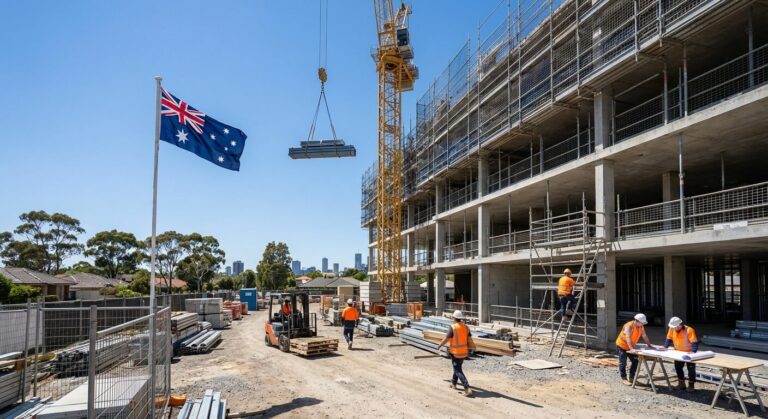
Buying structural plywood sounds simple until they’re staring at a stack of sheets in an Australian timber yard and every label starts to blur together. F17 is common on job sites because it’s a structural grade that suits serious loads, but not all sheets are equal in finish, bond, or straightness.
This guide covers what they should check before paying, so the right sheets turn up, go down flat, and stay that way.
What is F17 plywood actually used for?
F17 plywood is a structural plywood grade used where strength matters, like flooring, bracing, formwork, and general framing applications. It’s chosen when the design calls for a specific stress grade, not just a sheet that looks good.
In Australian residential and light commercial builds, they’ll often see it in subfloors, bracing panels, and structural linings. It’s not “fancy plywood”. It’s the get on with it sheet.
How do they confirm the sheet is genuinely structural grade?
They should look for a grade stamp that identifies it as structural and references Australian standards. If the stamp is missing, unclear, or sanded off, it’s a risk, even if the seller insists it’s fine.
Most reputable suppliers in Australia stock stamped sheets with manufacturer details and compliance marks. They can also ask for product documentation, especially if it’s for a certifier, engineer, or council file.
What should they check on the stamp and paperwork?
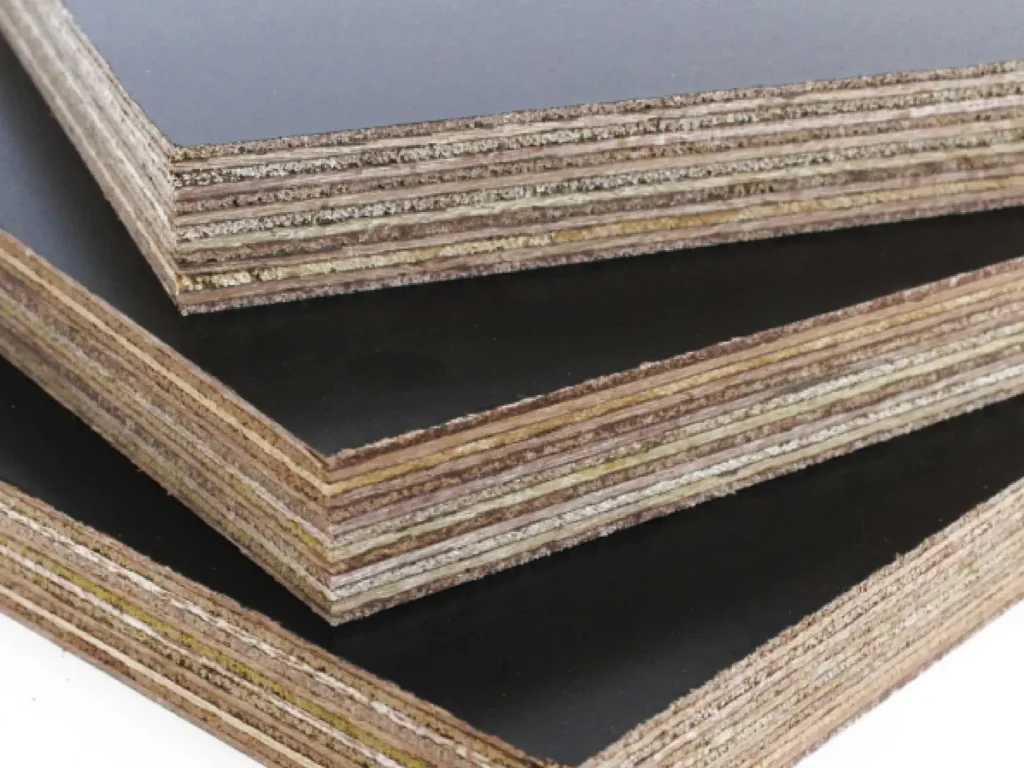
They should confirm the stress grade, bond type, standard, and intended structural use. A proper stamp usually includes the manufacturer, thickness, stress grade, and a standards reference.
If the job is engineered, the paperwork matters more than people think. They should keep the invoice and the product spec sheet in a folder. Later on, when questions come up, it saves a lot of back and forth.
Which thickness and sheet size should they choose?
They should choose thickness based on span, load, and the system being built, not just what’s on special. Common thicknesses in Australia include 12, 15, 17, 19, and 21mm, with 2400 x 1200mm sheets typical.
For flooring, bracing, or formwork, the right thickness is usually driven by the structural design or NCC related detailing. If they’re unsure, they should match the engineer’s notes or ask the supplier for structural tables.
Does “A bond” or “exterior” rating matter for Australian conditions?
Yes, because bond rating is about glue durability, which matters in heat, humidity, and wet exposure. In many parts of Australia, moisture cycling is normal, even when a sheet is “indoors”.
They should check whether the plywood is suitable for the environment it will live in. A wet area, a coastal build, an exposed eave, a subfloor with poor ventilation. Different risks, same outcome if they pick the wrong bond.
How do they judge face grade and appearance if the sheet will be visible?
If it will be seen, they should check face grade and patching, because structural sheets can look rough even when they’re strong. F17 sheets are often made for performance first, not pretty finishes.
They should inspect both faces in the pack, not just the top sheet. Look for open knots, plugs, surface checking, and repairs. If the project needs a clean finish, they may need a different face grade or a lining product.
What’s the difference between hardwood and softwood structural plywood?
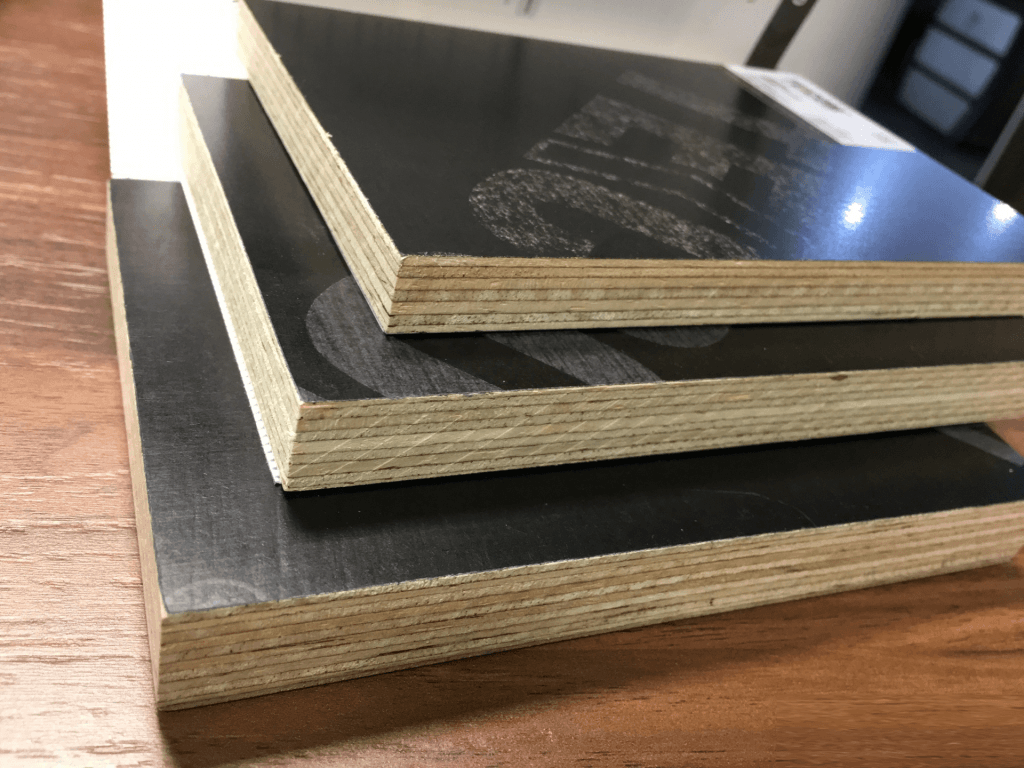
Hardwood sheets are typically denser and can feel stiffer, while softwood can be lighter and sometimes a more consistent sheet from one to another. In Australia, both exist in structural plywood ranges.
What matters most is compliance and suitability for the application. They shouldn’t assume “hardwood equals better” automatically. A certified, consistent product that installs flat can beat a heavier sheet that arrives with a twist.
How can they spot warped, cupped, or damaged sheets before buying?
They should sight along the sheet edges and faces for bowing, twisting, and cupping, and reject packs stored poorly. Even a small warp becomes a struggle once it’s fixed down.
They should check for crushed corners, delamination at edges, swollen veneers, and water staining. If the pack has been sitting uncovered at the yard during rain, it’s worth walking away. Bad sheets waste time, nails, and patience.
Should they care about edge sealing and moisture protection on site?
Yes, because edges are where moisture gets in first, especially during storage and installation. Even good plywood can suffer if it sits on wet ground or gets rained on repeatedly.
They should store sheets flat, up off the ground, and covered but ventilated. If sheets will be exposed during construction, edge sealing can help. It’s not glamorous work, but it prevents swelling that ruins floor levels and joint lines.
How do they make sure the supplier is selling the right product?
They should specify exactly what they want in writing, including thickness, bond, sheet size, and structural grade. Saying “structural ply” over the counter can lead to substitutions.
This is especially important when ordering delivery to site in Sydney, Brisbane, Melbourne, Perth, Adelaide, Hobart, Canberra, or regional areas where stock varies. They should ask for photos of the stamp if they can’t view it first.
Is price a reliable indicator of quality?
Not always, because price can reflect supply, freight, and brand more than consistency. That said, bargain structural plywood can be a false economy if it’s warped or inconsistent thickness.
They should compare like for like. Same thickness, same bond rating, same compliance. If one option is much cheaper, they should ask why. Sometimes it’s a clearance run, sometimes it’s a different product entirely.
What questions should they ask at the timber yard before paying?
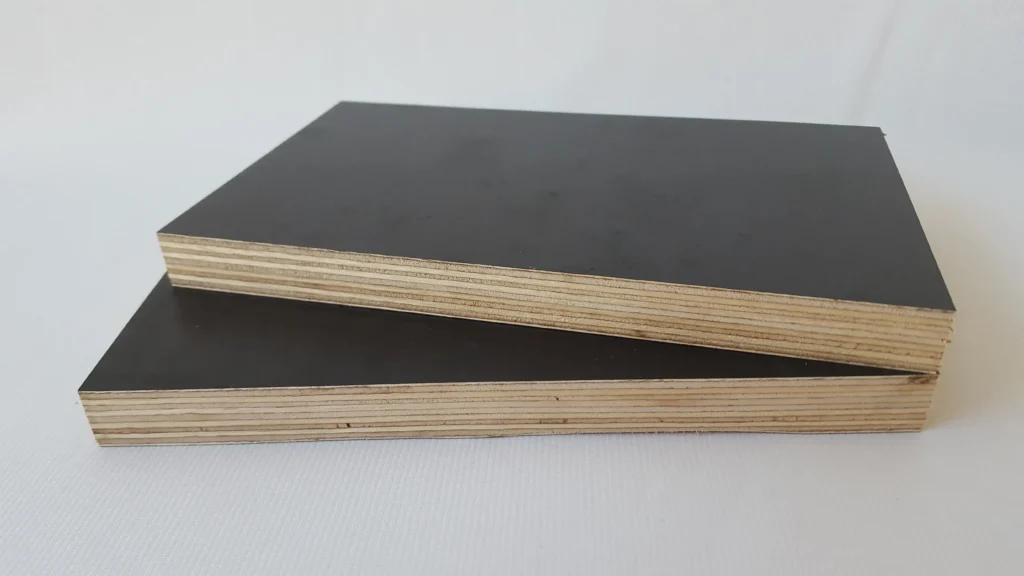
They should ask about compliance, storage history, and whether the sheets are suitable for the intended exposure conditions. A good yard will answer clearly, not vaguely.
A practical list they can use:
- Is it stamped and compliant to Australian structural requirements?
- What bond rating is it, and is it suitable for this application?
- Has it been stored under cover?
- Can they swap any visibly warped sheets at pickup?
- Is there a spec sheet they can email through?
What should they look for if the plywood is for flooring?
They should prioritise flatness, thickness consistency, and the right fastening and jointing system. A subfloor that squeaks or telegraphs ridges often starts with uneven sheets.
They should check tongue and groove requirements if applicable, confirm joist spacing compatibility, and plan acclimatisation if sheets are moving from a dry warehouse to a humid coastal site. And yes, they should choose F17 plywood only if it matches the design.
Does certification and sustainability matter in Australia?
Yes, if the project calls for it, and increasingly it does, especially on commercial sites. They should look for credible chain of custody claims where required.
Some builds, councils, or builders specify certified timber products. Even when it’s not mandatory, it can be a selling point and a risk reducer. They should ask the supplier what’s available and keep records with the job documentation.
How do they avoid ordering the wrong thing online?
They should confirm the listing matches structural requirements and request confirmation of the exact product being supplied. Online listings can be broad, and product photos can be generic.
They should check thickness, sheet size, bond rating, and that it is clearly structural grade. If the listing just says “plywood sheet”, it’s too vague. For structural jobs, vague equals trouble.
What’s the simple checklist to use before they buy?
They should confirm compliance, correct thickness, suitable bond, and acceptable sheet condition, then only pay once they’ve inspected the pack or received proof. This is the fastest way to avoid regret later.
A tight checklist that works on most Australian sites:
- Stamp present and readable.
- Correct thickness and sheet size.
- Bond rating suits exposure.
- Sheets are flat, edges intact, no delamination.
- Supplier provides spec info on request.
When they do all that, F17 plywood becomes straightforward. Not perfect, not magical. Just reliable. And that’s the point.
They’ll end up with F17 plywood that installs cleaner, lasts longer, and passes inspection without weird conversations. That’s the win.
(And yes, if they’re counting, they should insist on the right F17 plywood for the job, not “something close”. If the design says F17 plywood, it should be F17 plywood, delivered as F17 plywood, stamped as F17 plywood.)
FAQs (Frequently Asked Questions)
What is F17 plywood used for in construction?
F17 plywood is a structural grade plywood commonly used in Australian residential and light commercial builds where strength is crucial. Typical applications include flooring, bracing panels, formwork, and general framing tasks where specific stress grades are required.
How can I verify that the plywood sheet is genuinely structural grade F17?
To confirm the sheet is genuine structural grade F17, look for a clear grade stamp referencing Australian standards, including manufacturer details, thickness, stress grade, and bond type. If the stamp is missing or unclear, request product documentation to ensure compliance before purchase.
Which thickness and sheet size should I choose for my project?
Choose plywood thickness based on the structural design requirements such as span and load rather than promotions. Common thicknesses in Australia are 12mm to 21mm with standard sheet sizes of 2400 x 1200mm. For accurate selection, refer to engineer’s notes or supplier-provided structural tables.
Does the bond rating like ‘A bond’ or ‘exterior’ matter for Australian conditions?
Yes, bond rating indicates glue durability which is vital due to Australia’s varying heat, humidity, and moisture exposure. Selecting plywood with an appropriate bond type ensures durability in environments such as wet areas, coastal locations, or poorly ventilated subfloors.
How do I assess the face grade and appearance if the plywood will be visible?
Since F17 sheets prioritise performance over aesthetics, inspect both faces of multiple sheets for surface quality including knots, plugs, checking, and repairs. For projects requiring a clean finish, consider higher face grades or lining products rather than standard structural sheets.
What should I check to avoid warped or damaged plywood sheets at purchase?
Inspect sheets by sighting along edges and faces for bowing, twisting or cupping. Reject any packs with crushed corners, delamination at edges, swollen veneers or water stains. Ensure sheets have been stored flat, off the ground and covered to prevent moisture damage before buying.